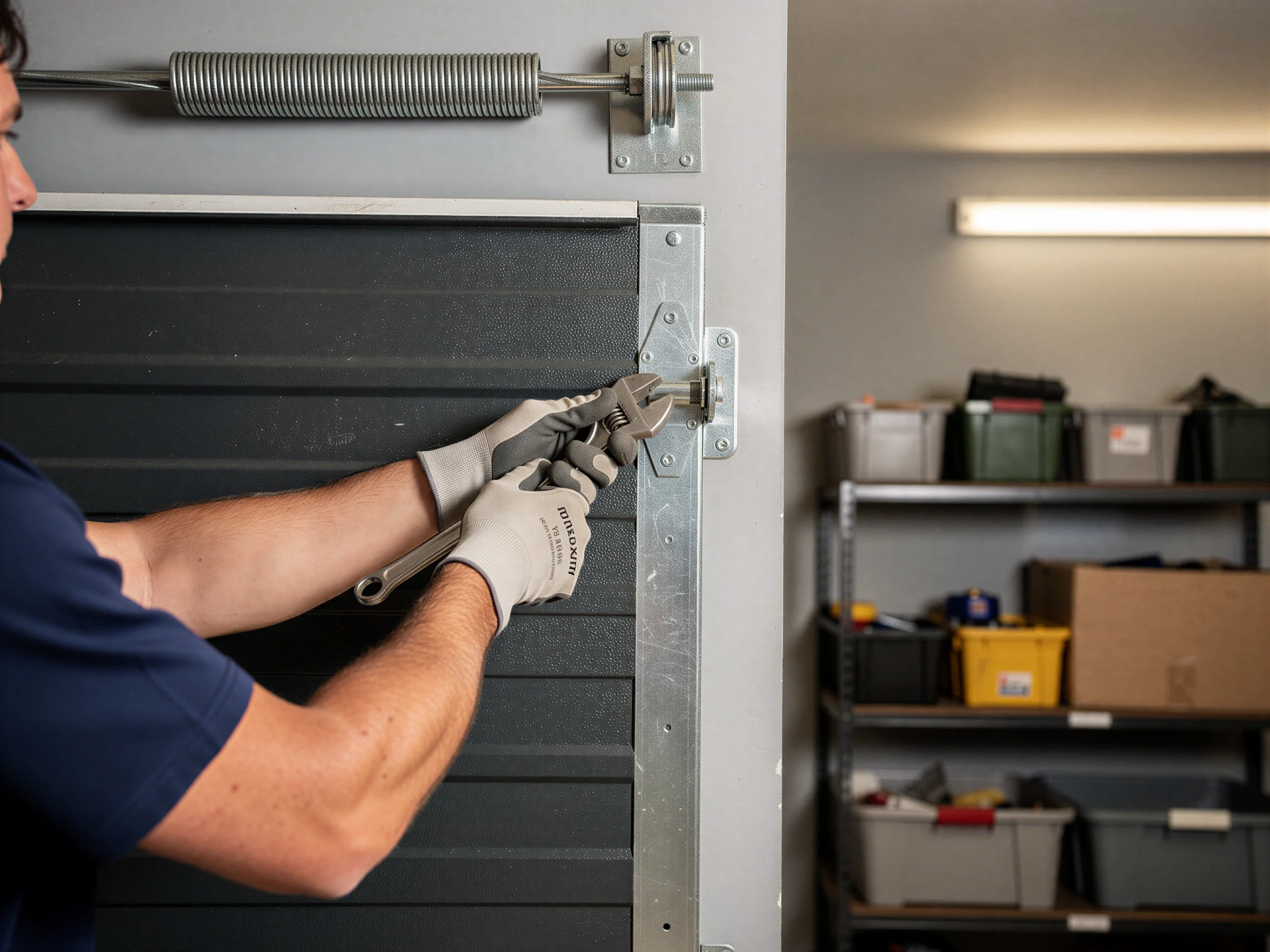
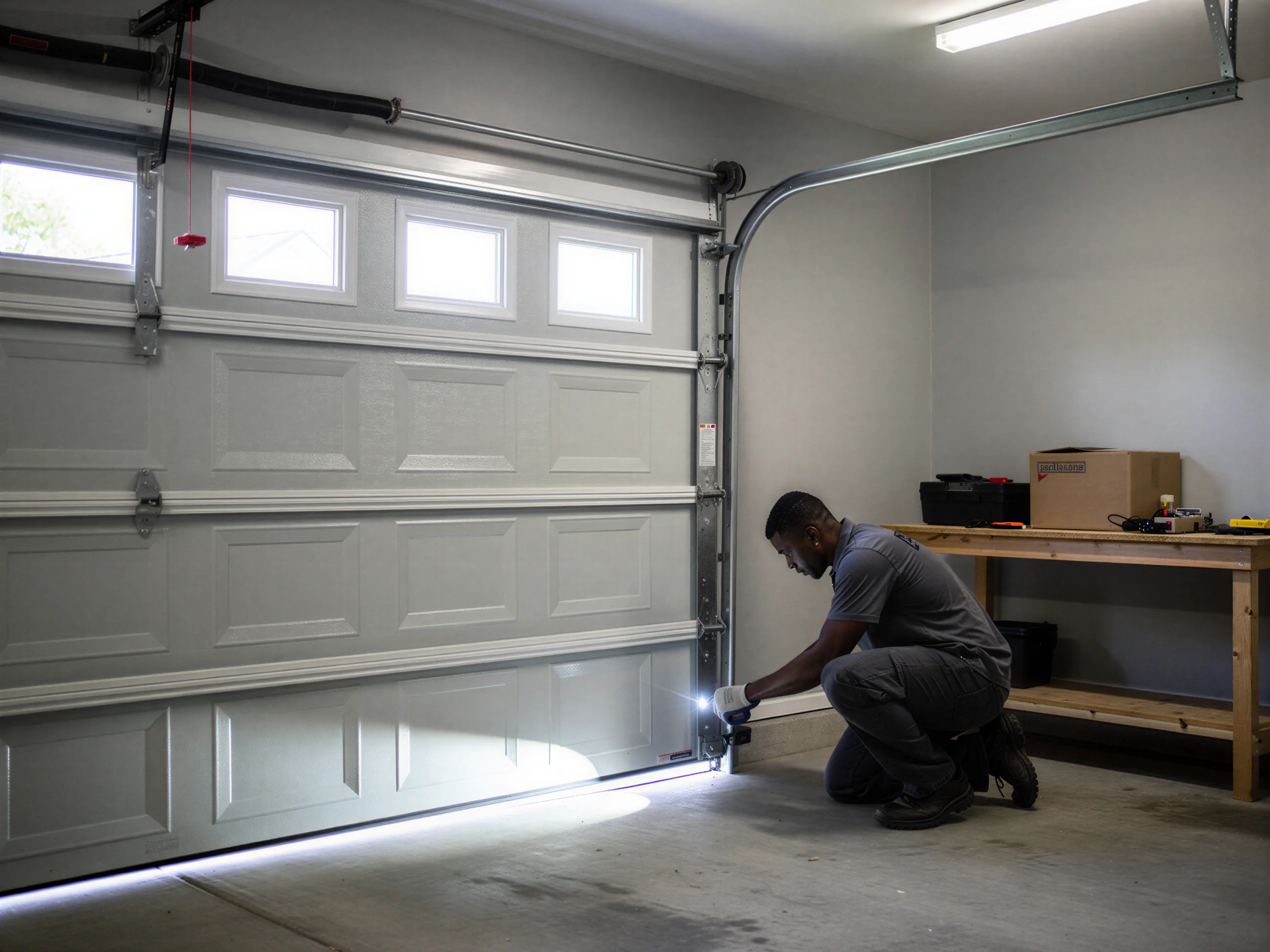
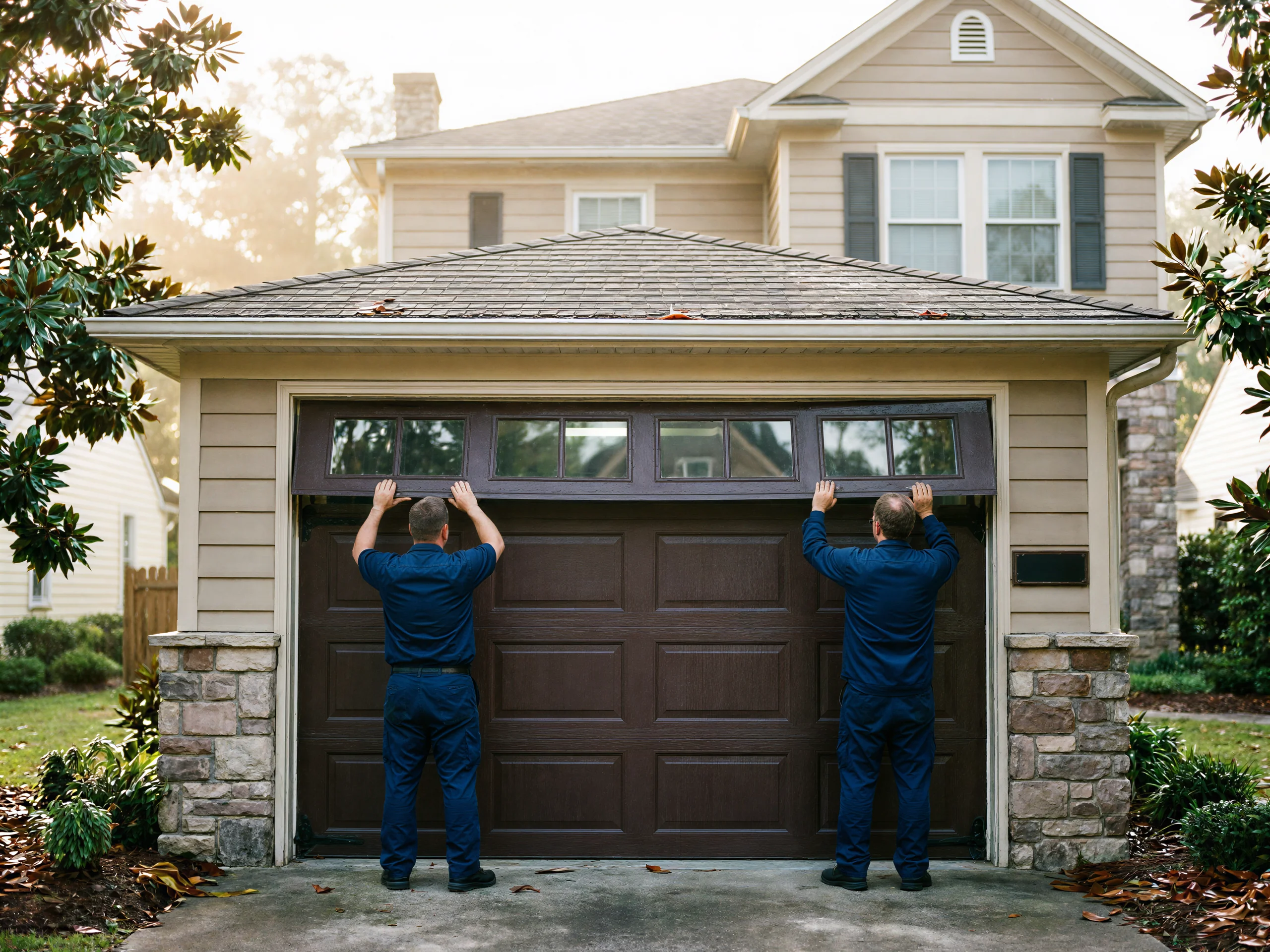
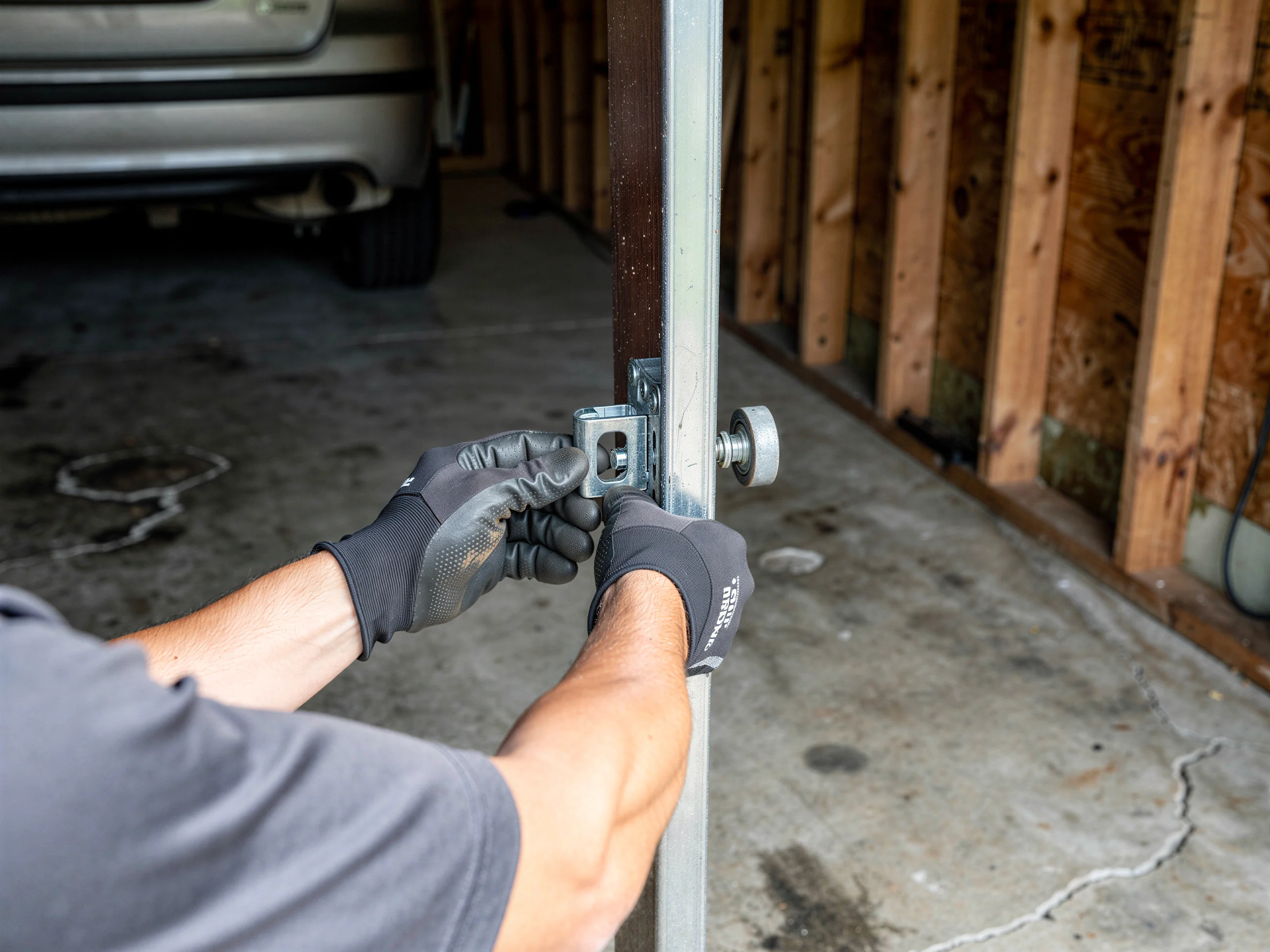
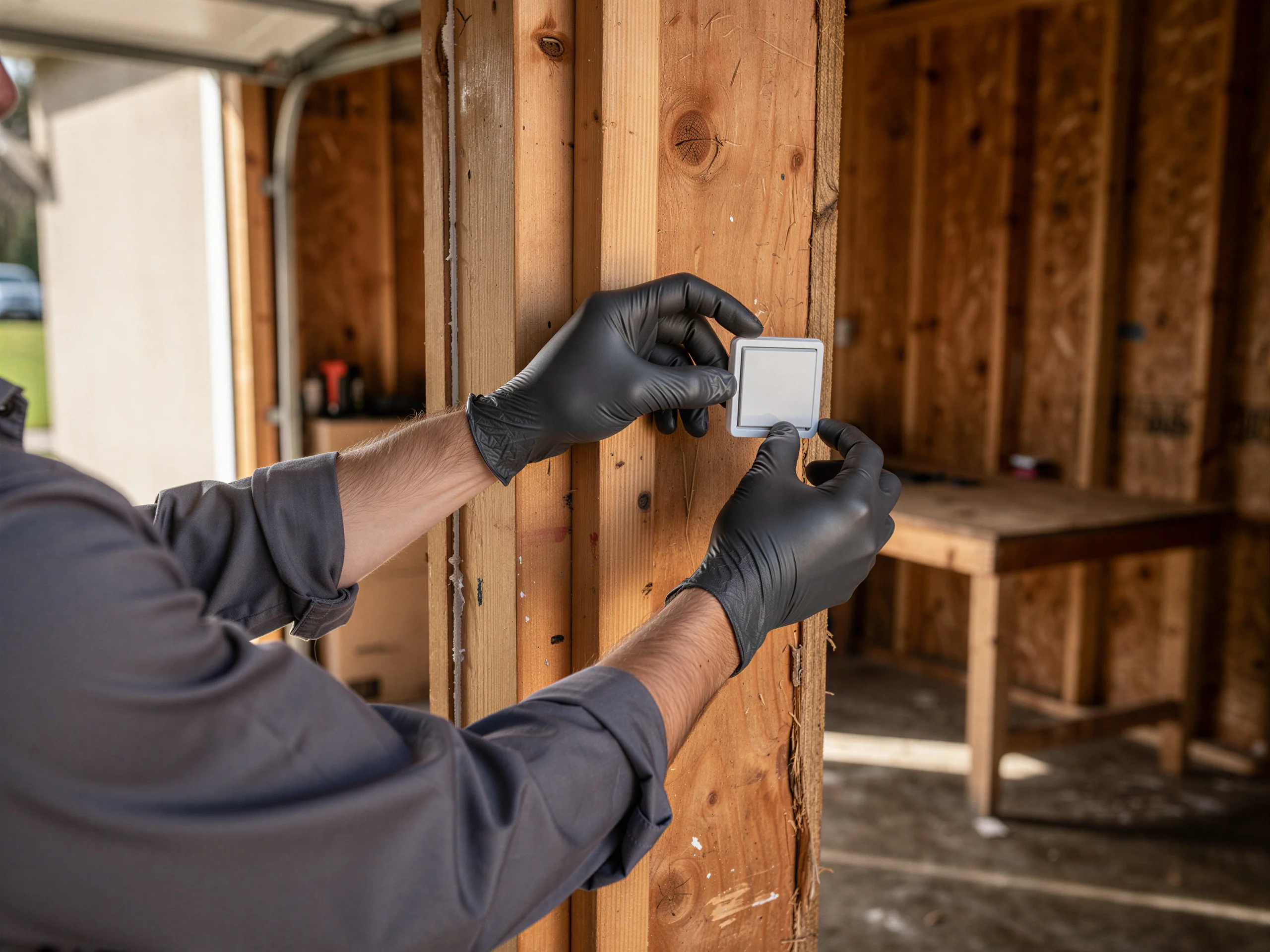
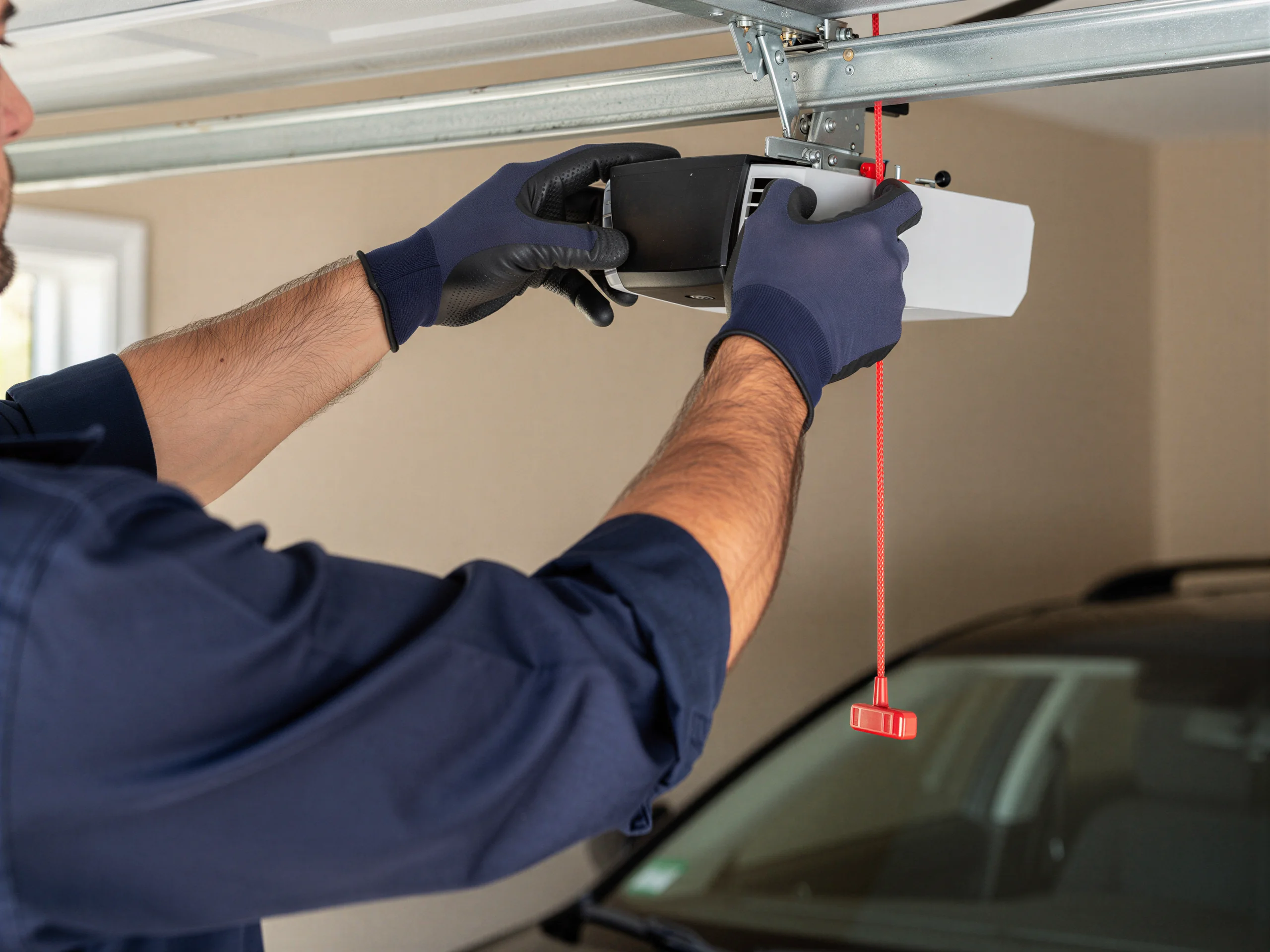
Leland's median home was built around 2008, which puts most doors here well inside the era of factory-sealed bearings, pre-lubricated torsion springs, and steel panels with foam-core insulation rather than the solid wood or thin single-layer steel that shows up on older stock closer to Wilmington. That matters for maintenance because the failure points are different. You're less likely to find a door that's seized from decades of dry, unlubricated hinges, and more likely to find a door that's still mechanically sound but has never had anyone check the torsion spring tension, the track alignment, or the opener's force settings since the builder hung it. A door going up in 2008 or later almost always came with a torsion spring system on a steel header, not the older extension-spring-over-the-track setup. The symptom to watch for here isn't grinding or seizing - it's a door that closes unevenly, or an opener that strains and reverses partway down, because nobody's touched the balance in over a decade. A door still under 20 years old can have a spring that's never been adjusted and is now carrying more weight than it should.