Wrong horsepower and rail
A single-car door and a heavy insulated double door need different horsepower and different rail lengths, and matching that wrong shortens the life of the new unit fast.
Wilmington, NC
Openers in Wilmington homes built 1956-2008 wear out on predictable schedules. See why replacement timing differs by neighborhood age and what a new install actually involves.
Local causes
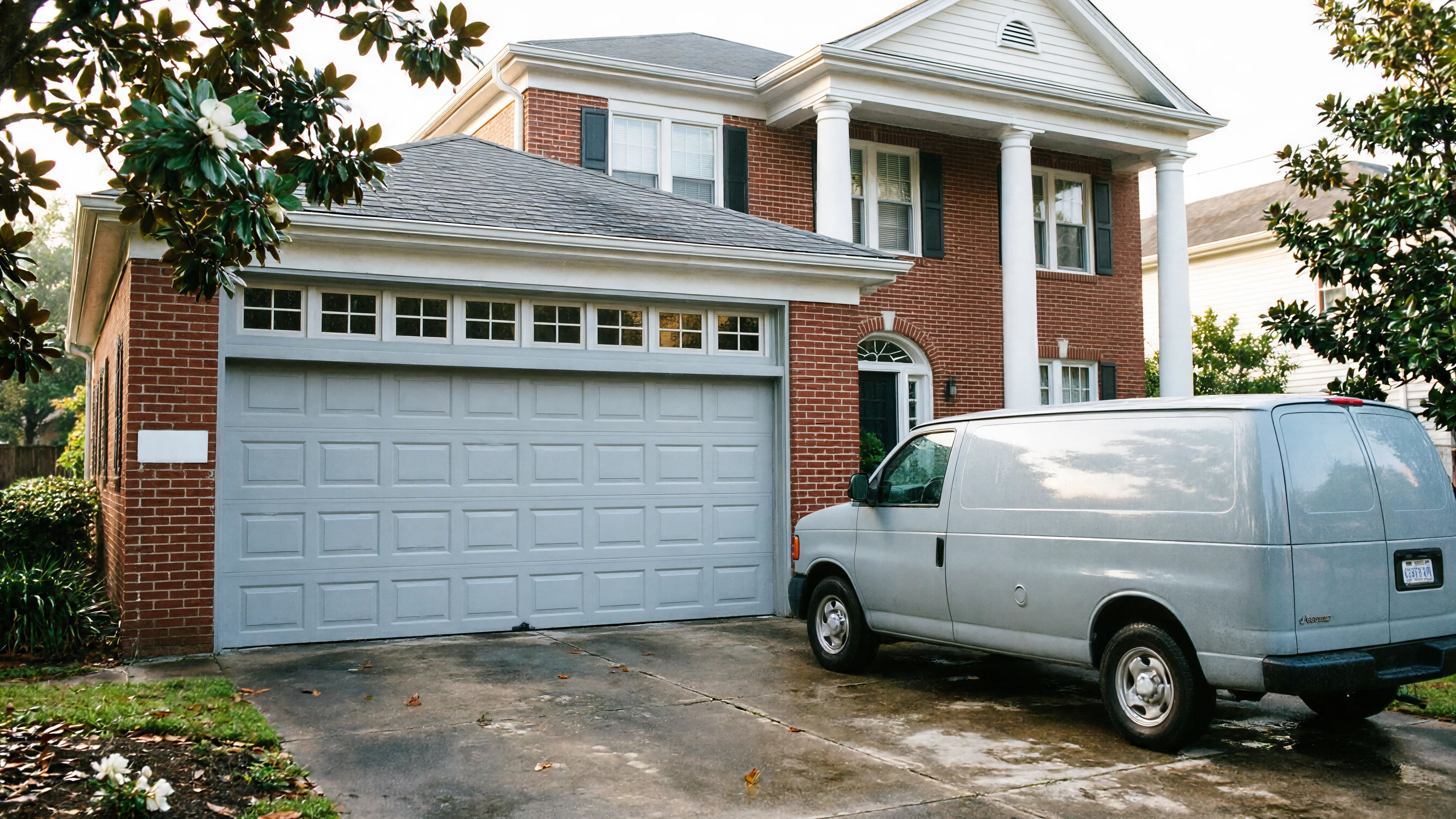
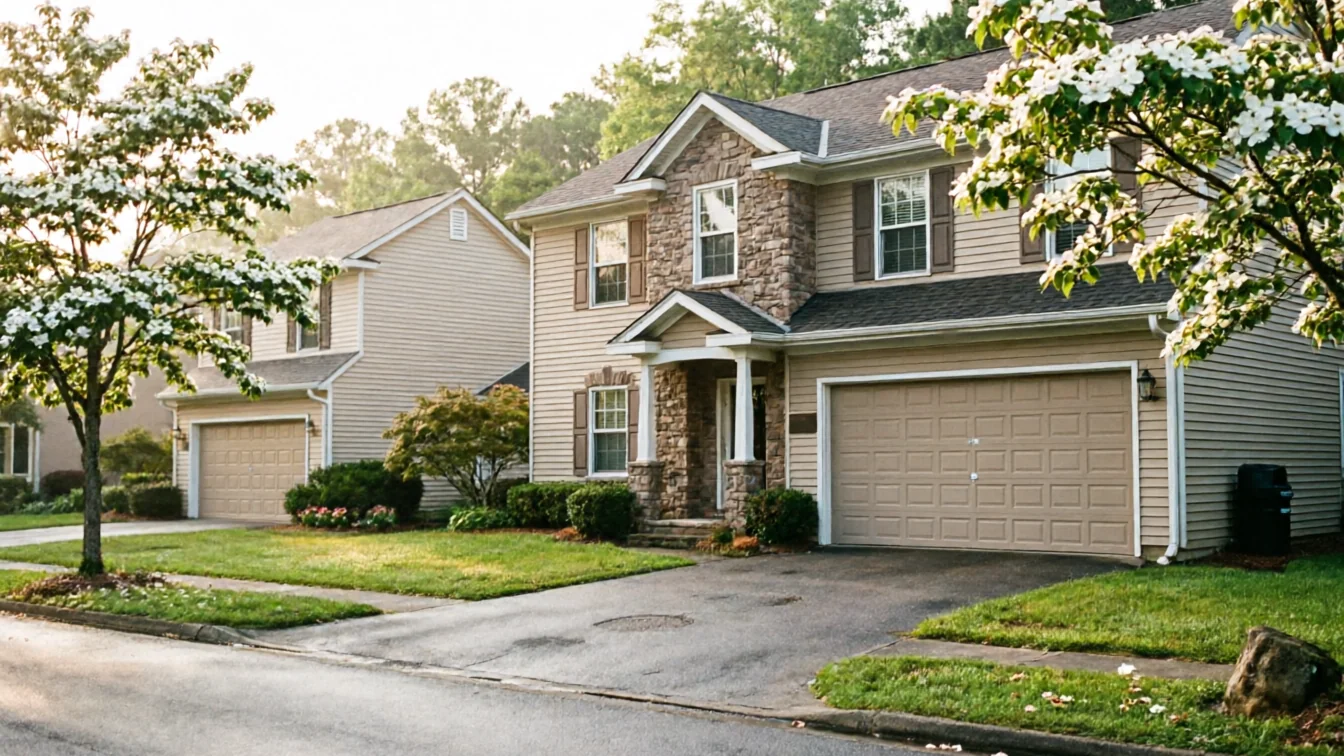
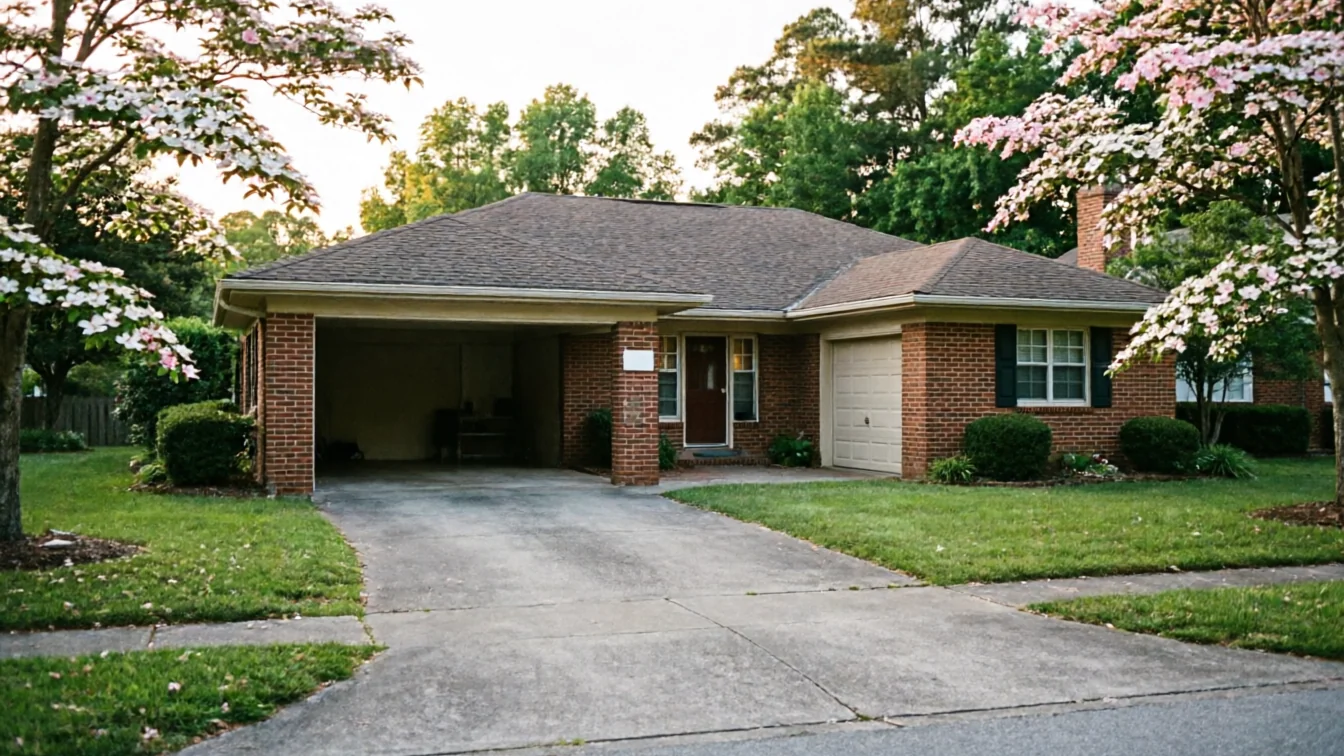
Most of the openers we pull out in this area were installed when the house was built, and Wilmington's housing stock runs 1956 through 2008, with a lot of it concentrated in the 1980s and 90s across the 22 neighborhoods we work in. Chain-drive units from that era used motors and circuit boards that were never rated for 20-plus years of coastal air. The mild climate here doesn't bring hard freezes, but it does bring salt air and humidity that creep into logic boards and relay contacts over time, even when the mechanical parts of the door are fine. That's the mismatch we see constantly: a perfectly good door riding on an opener whose capacitor or gear set gave out years before the springs or track did. In newer construction closer to the 2000s end of that build range, the failure mode shifts - those openers are more likely to have outdated safety sensors or no battery backup, which matters more here than in places that lose power less often. Either way, the opener is usually the first thing to fail on a house, not the last, because it's the part with moving electronics instead of just steel and springs.
Watch-outs
The mistake we see most is a homeowner buying an opener online or at a box store sized for the wrong door weight, then wondering why it strains or won't hold calibration.
A single-car door and a heavy insulated double door need different horsepower and different rail lengths, and matching that wrong shortens the life of the new unit fast.
Another spot where jobs go sideways: older Wilmington garages, especially ones built before the 1990s, often have wiring and wall control setups that don't match what a new opener kit expects, so the installer ends up doing electrical work nobody budgeted for.
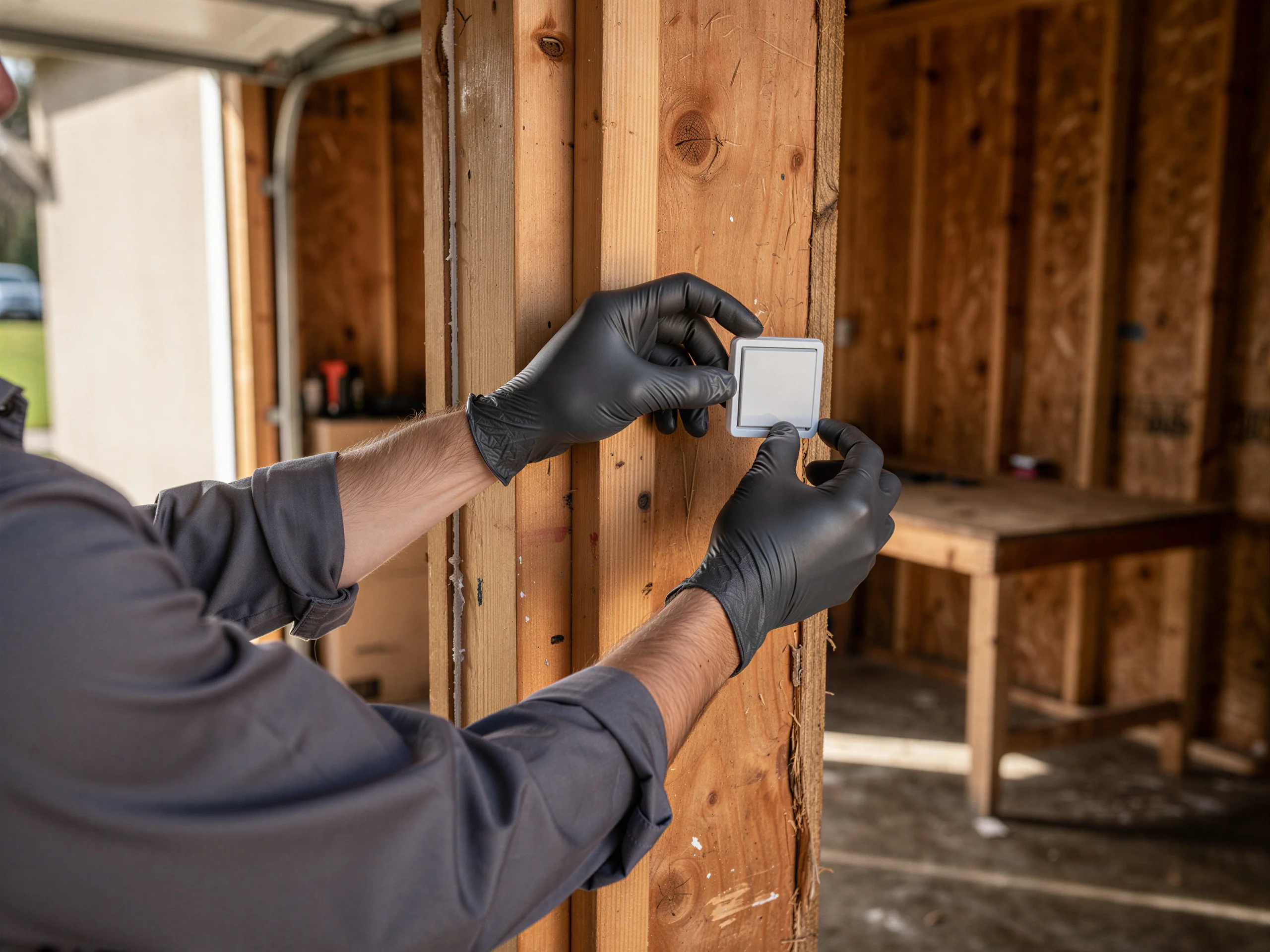
We also run into mounting brackets rotted or rusted from years of salt air exposure - look no further than the header board itself, which sometimes needs reinforcement before a new opener can be hung safely at all. Skipping that step is how you get an opener that works for six months and then sags.
Warning signs
The first sign is usually noise - a grinding or humming that wasn't there before, which in this climate often points to a motor bearing that's corroded rather than just worn. Next comes delay: you hit the button and the door hesitates a beat before moving, a sign the circuit board is struggling. Eventually you get a door that opens partway and reverses, or one that responds to the remote only when you're standing right next to it, which usually means the antenna or logic board is failing, not the remote battery. In homes on the older end of our 1956-2008 range, we also see openers that simply won't accept a modern safety sensor pairing at all - the technology moved on faster than the bracket did. None of these are springs or cable problems, even though homeowners often call about those first.
DIY or pro
If you're comfortable with basic electrical work, swapping a like-for-like opener on a standard single door is within reach for a handy homeowner - the kits come with clear instructions and most garages have a dedicated outlet already in place. Where we'd tell you to call instead: anything involving a damaged header board, rewiring a wall switch circuit, or sizing an opener for a heavy insulated double door, since an undersized unit will burn out and an oversized one puts unnecessary strain on your track. We don't recommend reusing old mounting hardware on a new install if it shows any rust from years of coastal exposure - that's a part worth replacing even though it adds a little to the job.
Questions
It depends more on the house's age than a fixed number of years. Homes built in the 1980s and 90s, which make up a large share of our service area, are commonly on their original opener by now, and salt-air exposure tends to wear out motors and boards faster than it wears out mechanical door parts.
Yes. The mild, humid air with occasional freeze doesn't stress steel components much, but it does shorten the life of circuit boards, relays, and motor windings compared to drier inland climates. That's why openers often fail before the spring or track does.
A straightforward swap on a standard single door is doable for a handy homeowner. We'd call in a pro if your header board shows rust or rot, your wiring doesn't match the new kit, or you're not sure how to size horsepower for a heavy insulated double door.
Explore more
Ready when you are
Wilmington Garage Door Pros repairs and installs garage doors, springs and openers in Wilmington, NC and the surrounding area.