What Is Going On
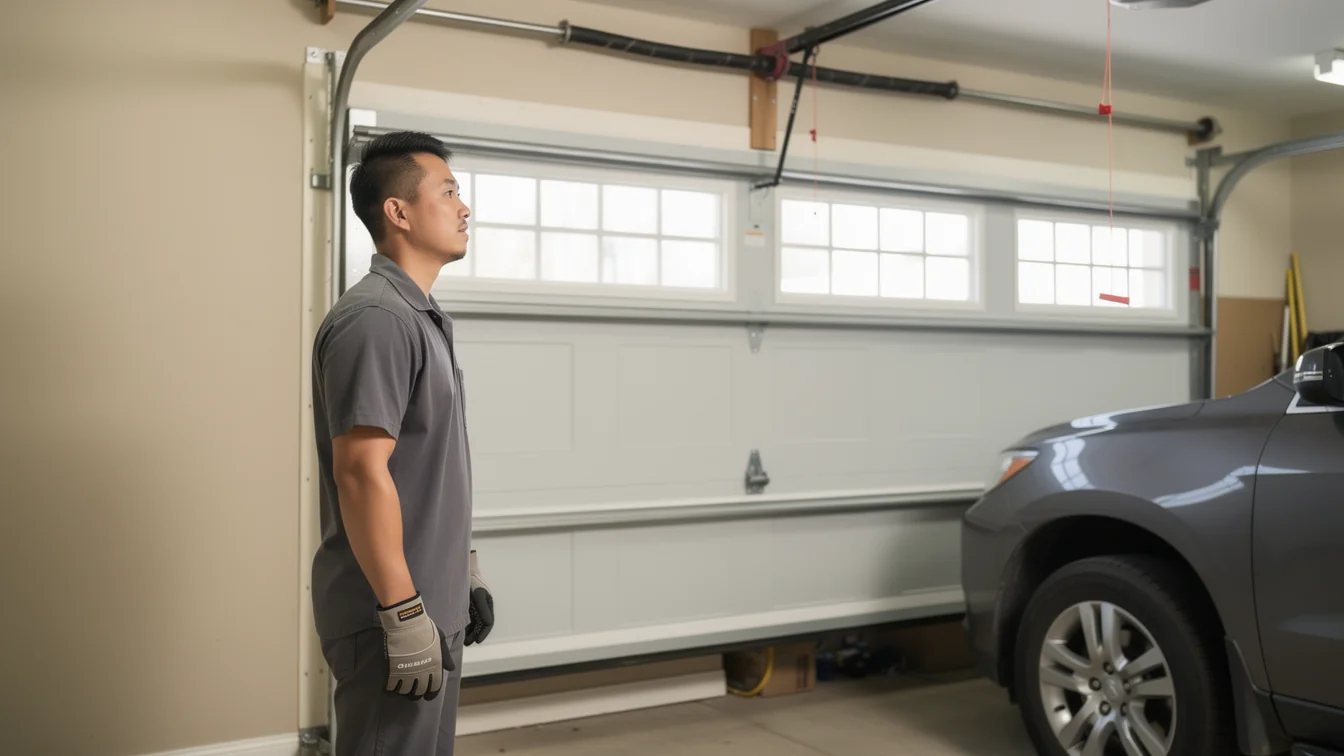
Most of the housing stock around here went up between 1956 and 2008, with the median build year sitting at 1994. That matters more than people think. A door going off track almost never happens in one dramatic moment - it's the slow result of track brackets that have been working loose against a wall for twenty or thirty years. The lag bolts holding the vertical track to the framing back out a sixteenth of a turn at a time. Eventually a roller rides the edge of the rail instead of the center, and the next hard stop pulls the whole assembly sideways.
Across the 22 named communities in this area, from Pine Valley Estates to Magnolia Greens, the stock skews heavily to 1980s and 90s construction. That generation of garage doors used lighter-gauge track and fewer wall brackets per side than what gets installed today. It was fine hardware for its time, but it wasn't built to be adjusted forever. When we get a call about a door that 'jumped the track,' nine times out of ten the real story is a bracket bolt that's been loose for months, not a sudden impact.
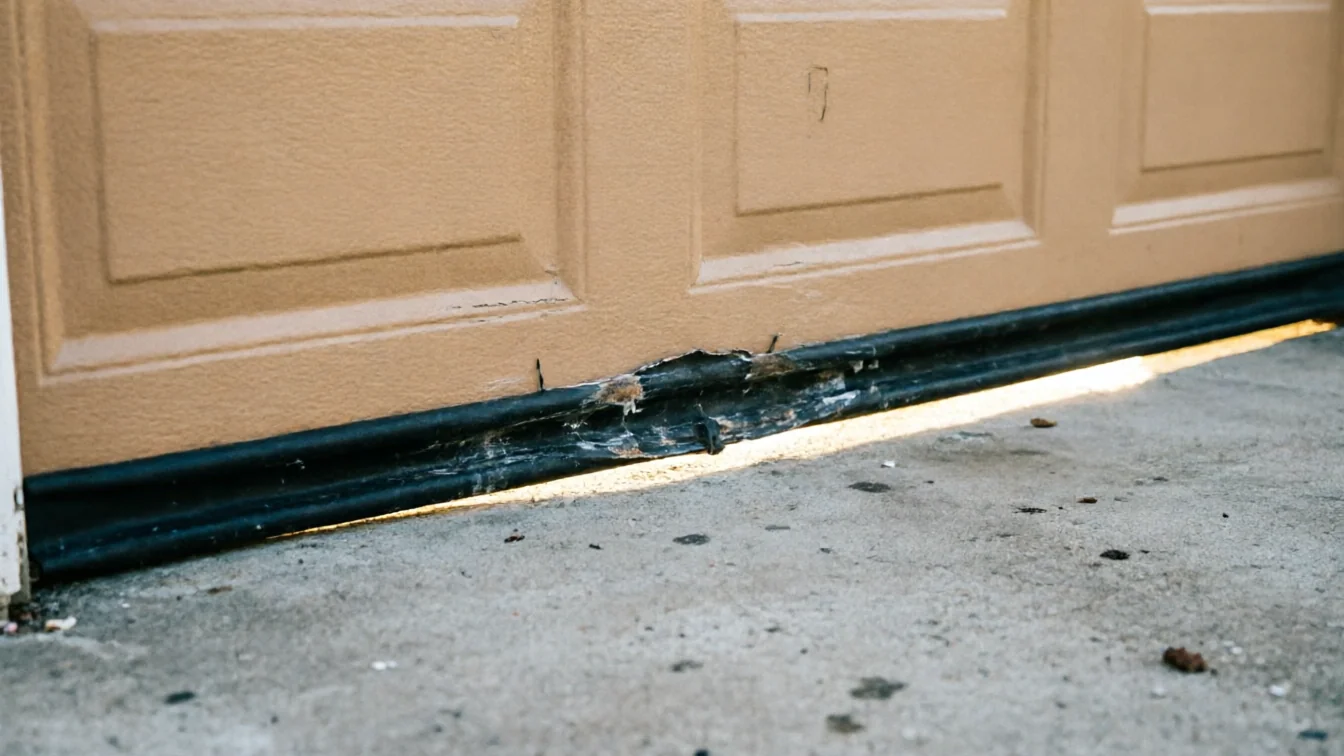
We also see cars back into tracks, which bends the rail itself rather than just loosening a bolt - that's a different repair and usually means replacing the bent section rather than re-tightening anything.
What It Costs
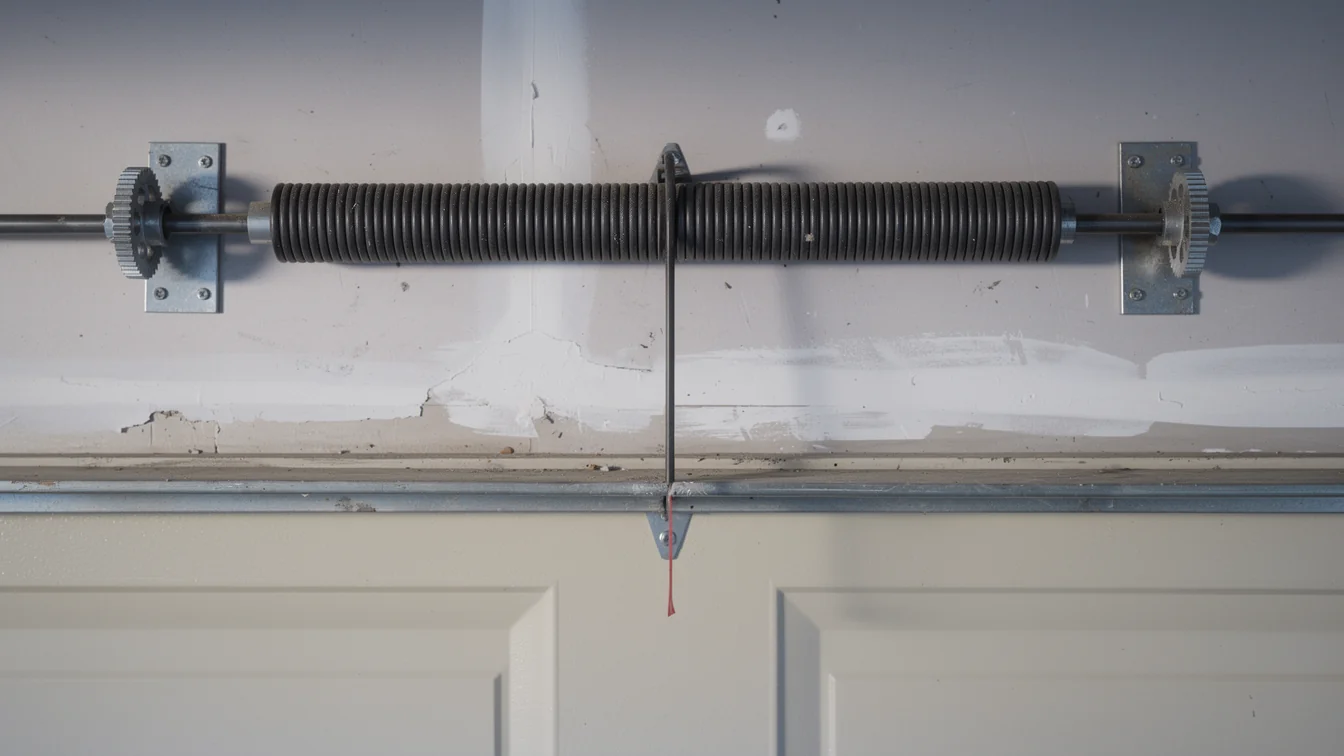
We're not going to put a number on this one without seeing the door. A loose bracket is a short visit. A bent track section, especially on a double door where both sides have to come into alignment again, is a longer job with parts involved. We don't quote flat prices over the phone for track work because the honest range depends on whether the rail is bent, whether the rollers are shot, and whether the cable has come off the drum in the process - any of those can be true on the same service call and we won't know until we're standing in front of it.
What we can tell you is what drives the cost up: a bent horizontal track near the header usually costs more to fix than a vertical section near the floor, because the header section carries more load and is harder to access. If the door is original to a house built in the 1980s or 90s, we're often also looking at rollers and hinges that are due regardless of the track issue, and it's worth doing them in the same visit rather than paying for a second truck trip in six months.
The straight limitation here: we don't do same-visit financing or price-match other shops. We quote what the job in front of us actually needs.
What the Weather Here Does to It
This area sits in a mild climate band with only occasional freeze, which spares garage door hardware the brutal freeze-thaw cycling that cracks bolts loose in colder states. That's the good news. The bad news is humidity, and it works on track hardware a different way - it rusts the lag bolts and bracket fasteners from the inside of the threads outward, so a bolt can look fine on the head and still be weak where it bites into the wood.
Closer to the coast - Wrightsville Beach, Carolina Beach, Kure Beach - salt air speeds that corrosion up noticeably compared to houses further inland. We see track hardware on homes near the water needing attention years before the same-age hardware on a house ten or twelve miles in. If your garage faces the water-facing side of the house, or the door sits in a garage that doesn't get much airflow, that's usually where we find the first signs of a bracket starting to pull away from the stud.
The occasional hard freeze that does come through doesn't crack track metal the way a hard northern winter would, but it does make grease stiffen and rollers bind for a day or two, which adds extra strain right at the bracket until temperatures come back up.
The Seasonal Bit
Because the freeze here is occasional rather than constant, we don't see the spring rush that garages up north get from a winter's worth of ice damage. What we see instead is a steadier drip of calls tied to humidity swings - heavy, wet air for most of the year punctuated by a handful of cold snaps. Those swings make wood framing expand and contract just enough, over and over, that a lag bolt driven into a stud back in 1994 slowly works its way to a looser fit.
Late winter, after the handful of freeze days this area gets, is when we get calls from homes where a door that's been marginal all year finally lets go - stiff grease from the cold combined with a bracket that was already loose is enough to pull a roller off the rail. It's not a seasonal spike like hail season or heavy snow elsewhere; it's more that the cold snaps are the final push on hardware that was already worn down by a year of coastal humidity.
If your door has been making a new noise, don't wait for it to get worse through another wet season. A bracket that's starting to pull is a short fix. A bracket that's fully out is a track replacement.
Talk to a local pro
Garage door trouble in Wilmington?
Same-day service with honest, upfront quotes.