What Is Going On
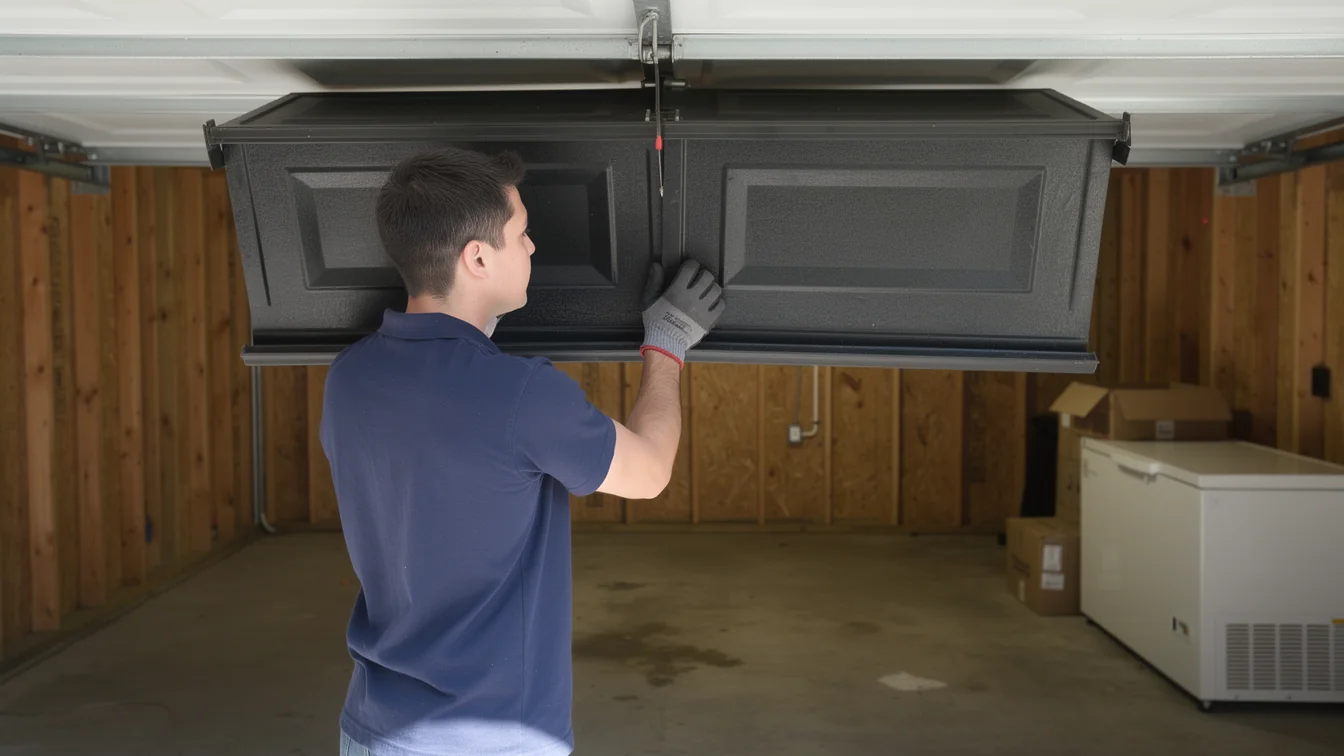
Most of the houses on this side of Wilmington went up between 1956 and 2008, with the typical build year landing around 1994. That means the opener bolted to your ceiling joist is rarely the original unit - it's a second or third replacement, installed by whoever owned the house before you, or the one before that. Across the 22 named areas that make up this service territory, the stock runs heaviest in 1980s and 90s construction, and that era is exactly when chain-drive openers with no battery backup were standard builder-grade equipment. No backup means when the power goes out, the door is stuck wherever it was when the lights died. We get calls where someone's car is trapped in the garage during a storm because nobody ever showed them the manual release cord. With 46,584 households and 32,659 owner-occupied houses across this service area, a lot of drive systems out there are running on original gears from a build that predates smartphone-connected openers by a couple of decades. The fix isn't always a new opener. Sometimes it's just knowing where the red cord is.
What It Costs
I'm not going to put a number here that I can't back up, because it depends on what's actually wrong - a dead capacitor, a stripped gear, or a whole unit that needs replacing. What I can tell you is how owners here tend to decide. At a median household income of $73,072, most people in this service area replace an opener outright once it's past patching rather than keep feeding it new parts. That's not because they don't want to save money - it's that an opener built in the 90s doesn't have parts sitting on a shelf anymore, and chasing them costs more in time than the unit is worth. If your opener is from that era and it's already failed once, the honest math usually points to replacement over repair. We'll tell you straight which side of that line your unit is on before we start anything.
What the Weather Here Does to It
Wilmington sits in a mild climate band with occasional freeze mornings - not the hard winters that split openers and snap springs in colder parts of the country. That changes what actually breaks here. We don't see the metal fatigue from constant deep-freeze cycling that you'd get further north. What we do see is humidity working on contacts and sensors year-round, plus the odd cold morning where a photo-eye sensor fogs over or a plastic housing gets brittle enough to crack if it's bumped. On a mild-band door, the opener motor itself usually outlasts the sensors and the logic board. If your door won't close and the light on the opener is blinking, it's almost always a sensor alignment issue from humidity or a bump, not a mechanical failure in the drive.
The Seasonal Bit
Because freeze mornings here are occasional rather than constant, the seasonal pattern on openers is different from what you'd read in a generic maintenance article written for a colder region. We don't tell people to winterize in the way a Midwest company would. What matters locally is checking the battery backup (if the opener has one) before the handful of cold mornings each year when a power dip is more likely, and keeping the sensor eyes clean given how much moisture sits in the air here most months. If your opener predates battery backup - common in the 1980s-90s stock that makes up most of this area - that's the one upgrade worth doing before anything else, since it's the gap that actually strands people during a power cut.
Talk to a local pro
Garage door trouble in Wilmington?
Same-day service with honest, upfront quotes.