What Is Going On
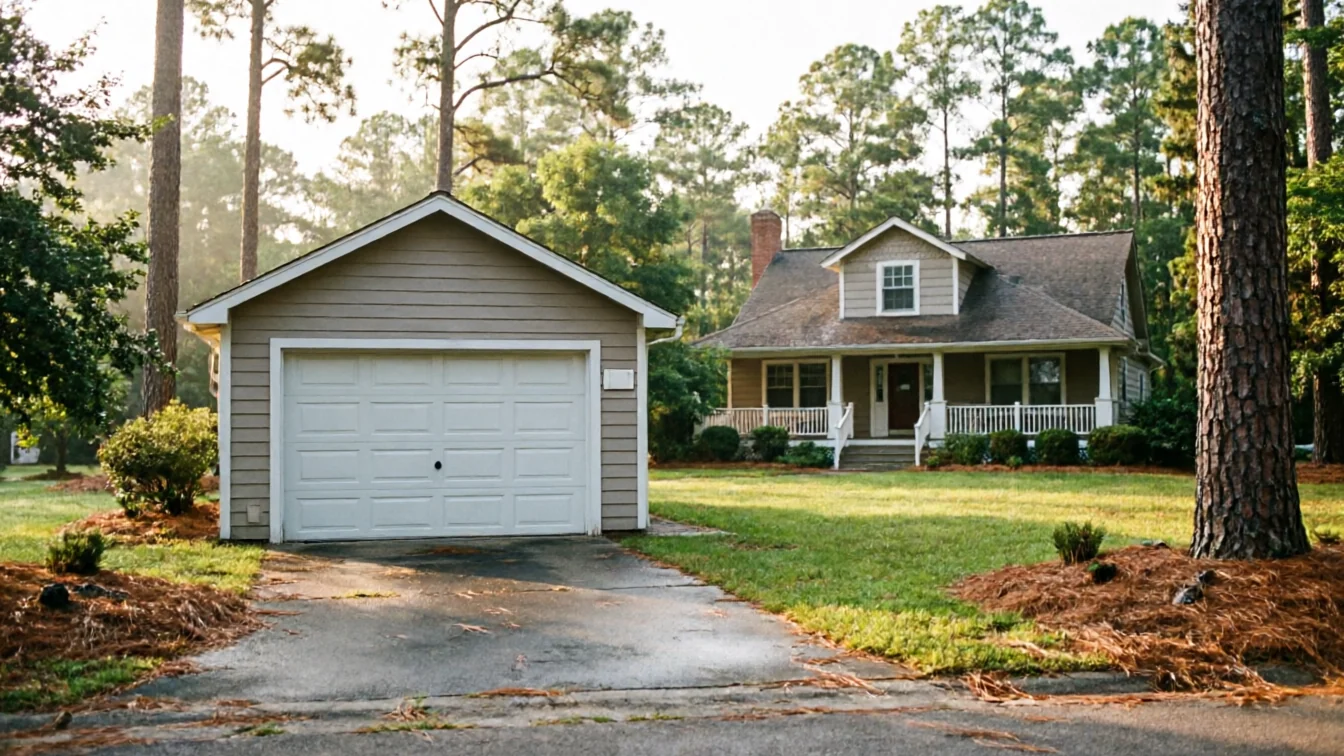
Most of the garage doors we get called out on in this area sit on houses built somewhere between 1956 and 2008, with the median build year landing around 1994. That's a long stretch, but the bulk of what we see - across the 22 named areas we work in, from Kings Grant to Ogden to Myrtle Grove - is 1980s and 90s stock. That matters because a huge share of those doors went in before anyone cared whether a garage door had an insulation layer at all. If your house is from that run, there's a decent chance the door is a single skin of steel or a slab of wood with nothing behind it.
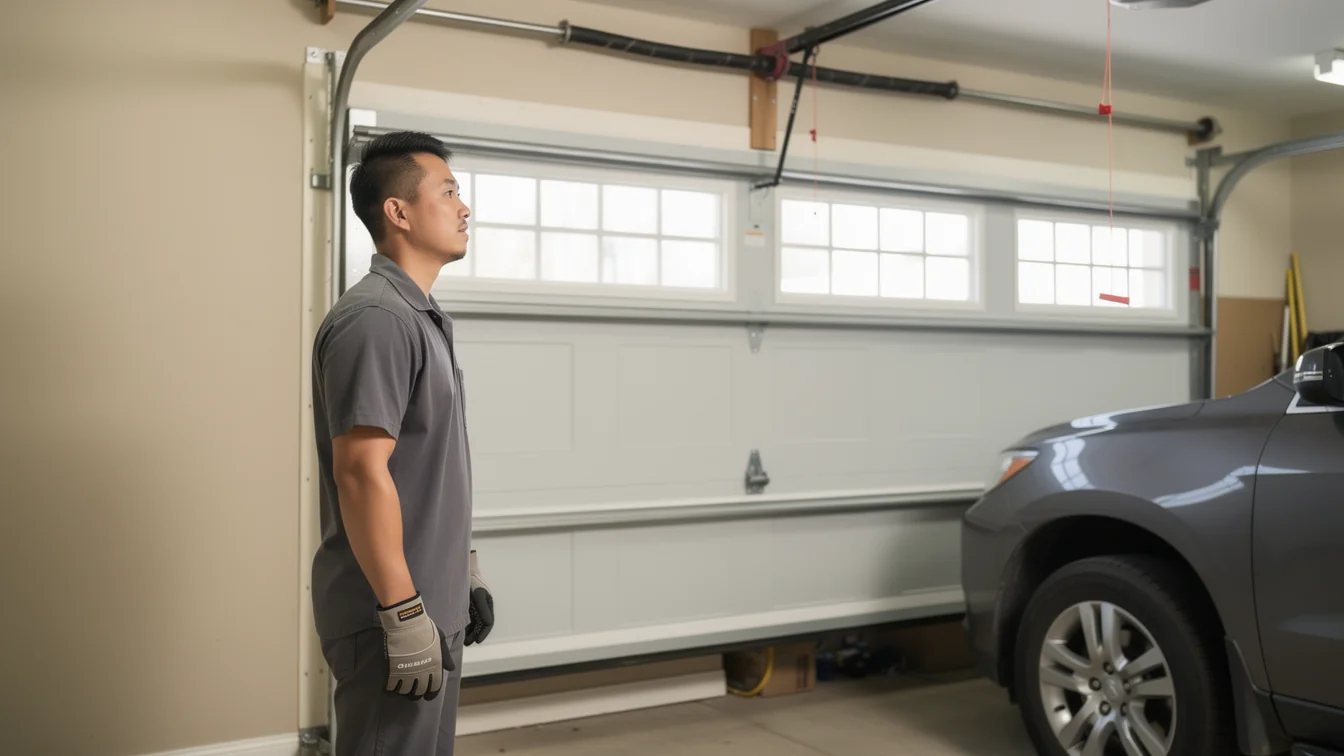
You can usually tell without opening anything up. Knock on the door. If it sounds hollow and thin, and the garage runs noticeably colder or hotter than the rest of the house in extreme weather, that's an uninsulated panel doing exactly what it was built to do - which is not much. These doors aren't broken. They're just built to a standard nobody follows anymore, and the hardware on them - springs, rollers, often the opener - is the same era and wearing out on the same clock.
We see this most in the older pockets of the 22 areas, less so in newer builds closer to places like Magnolia Greens, where construction trended later and insulated doors came standard.
What It Costs
We're not going to throw a number at you that doesn't hold up once we're standing in your driveway. Cost on this kind of job depends on whether you're repairing hardware on the existing uninsulated door or replacing the whole panel with an insulated one, and panel size, track type, and opener compatibility all move that number around. What we can tell you is the general shape of the decision: patching springs or rollers on an old uninsulated door is the cheaper short-term move, but if the door itself is original to a house from the 80s or 90s, you're often fixing symptoms on a door that's going to keep needing attention.
Swapping to an insulated door is the bigger upfront job but it's a one-time decision instead of a recurring one. We'll give you both numbers on-site once we've seen the door, the opening, and what's actually wrong with it. One honest limit here: if your opener is original to the house and the door is getting replaced, we may not be able to reuse it - older openers sometimes aren't rated for the weight of an insulated panel, and that's a conversation we have before we order anything, not after.
What the Weather Here Does to It
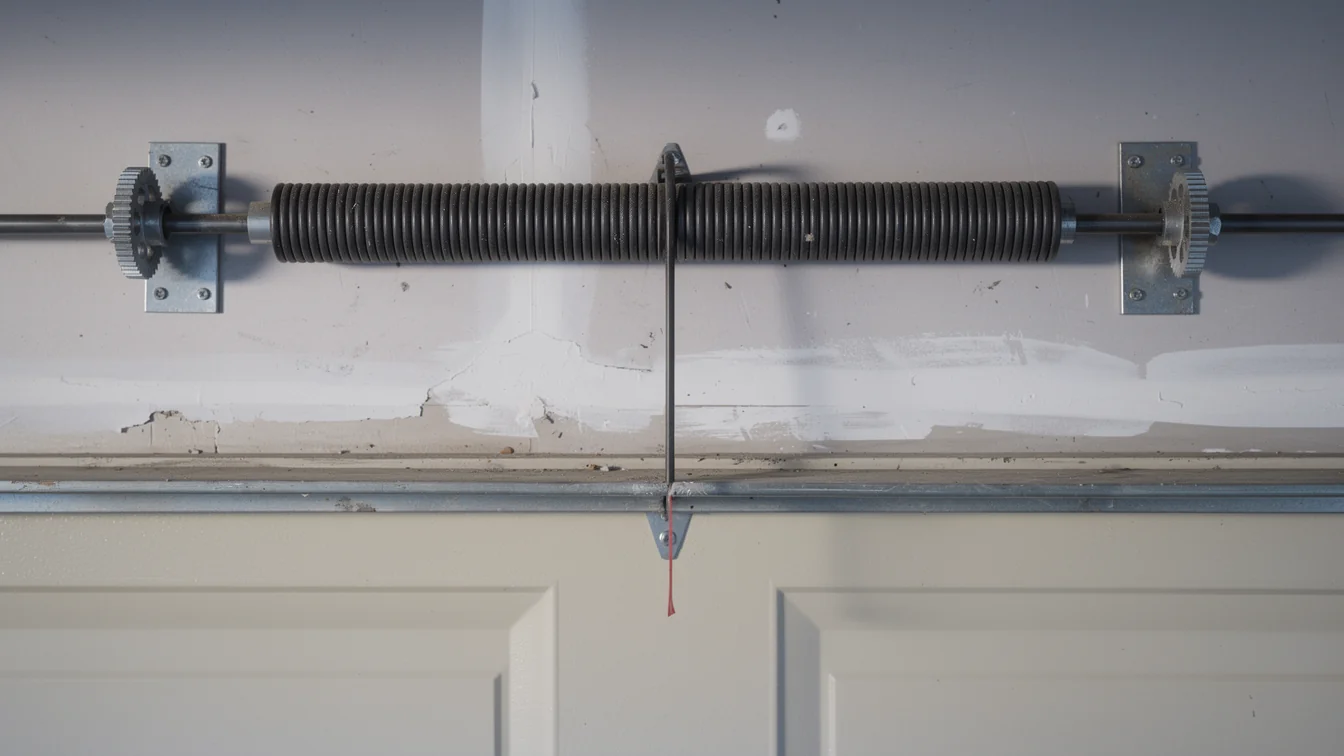
This area sits in a mild climate with occasional freezes, not the deep-freeze cycles that crack hardware further north. But mild-with-some-freeze has its own effect on an uninsulated door: the metal skin and the steel torsion spring both expand and contract through humid stretches and the occasional cold snap, and without an insulation layer acting as a buffer, that swing happens directly against bare steel. Over years, that's fatigue on the spring coil and condensation forming on the inside face of the door itself, which on wood doors from the 80s and 90s stock in this area tends to show up as swelling at the bottom panel before anything else.
It's not dramatic. It's slow. A door that's 25 to 40 years old and uninsulated in this climate usually fails at the hardware - spring, rollers, cable - well before the panel itself gives out, because the panel was never doing thermal work to begin with. That's actually the one upside of an uninsulated door in a mild climate: it has less insulation foam to break down, because there isn't any.
The Seasonal Bit
The swing that matters here isn't a hard winter, it's humidity. An uninsulated door in this climate band spends most of the year absorbing moisture through the garage air rather than fighting frost, and that shows up as rust starting at hinge points and bottom brackets on steel doors from the 1980s and 90s runs, and as soft spots at the base of wood doors from the same era. Neither of those is an emergency when you first spot them. Both get expensive if you wait two more seasons.
The freeze part of the climate here is occasional, not constant, so we don't see the spring-snap-on-a-cold-morning calls as often as colder regions do. What we do see is torsion springs on original 80s and 90s hardware that have simply outlasted their rated cycle count, and an uninsulated door makes that spring work slightly harder year-round because it's the only thing managing the door's full dead weight without any foam core helping balance it. If your door is original to a house in that build range, the spring is usually the first thing worth having checked, not the panel.
Talk to a local pro
Garage door trouble in Wilmington?
Same-day service with honest, upfront quotes.