Lubricant misuse on springs
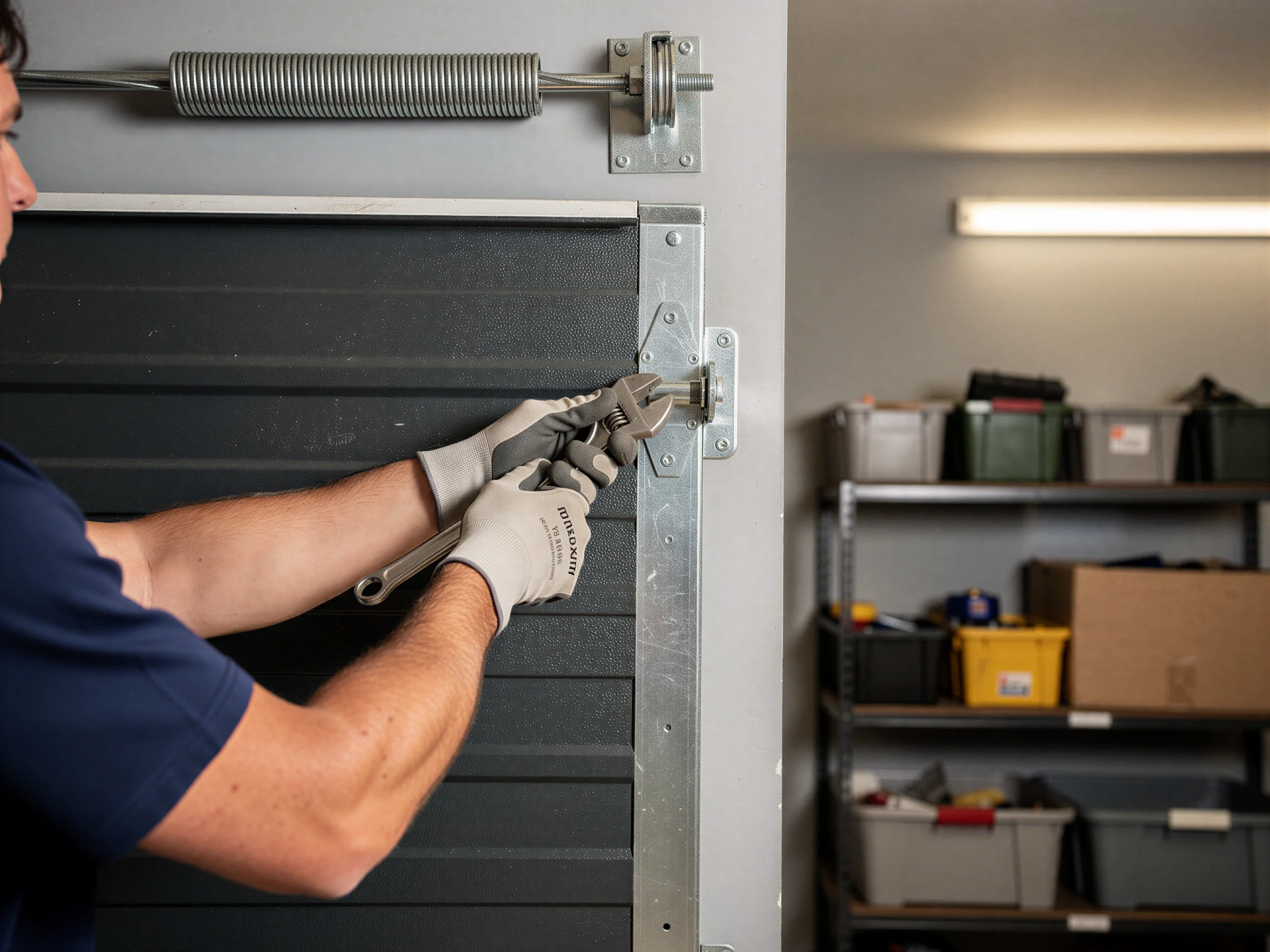
WD-40 isn't a lubricant for torsion springs - it strips what grease is left and attracts grit, which speeds up the wear it was supposed to fix. The other way this goes wrong is tightening the wrong bolt.
Wilmington, NC
Garage door maintenance in Wilmington, NC: why 1960s-2000s Cape Fear housing stock and mild, humid coastal air wear out springs, rollers, and tracks fast.
Local causes
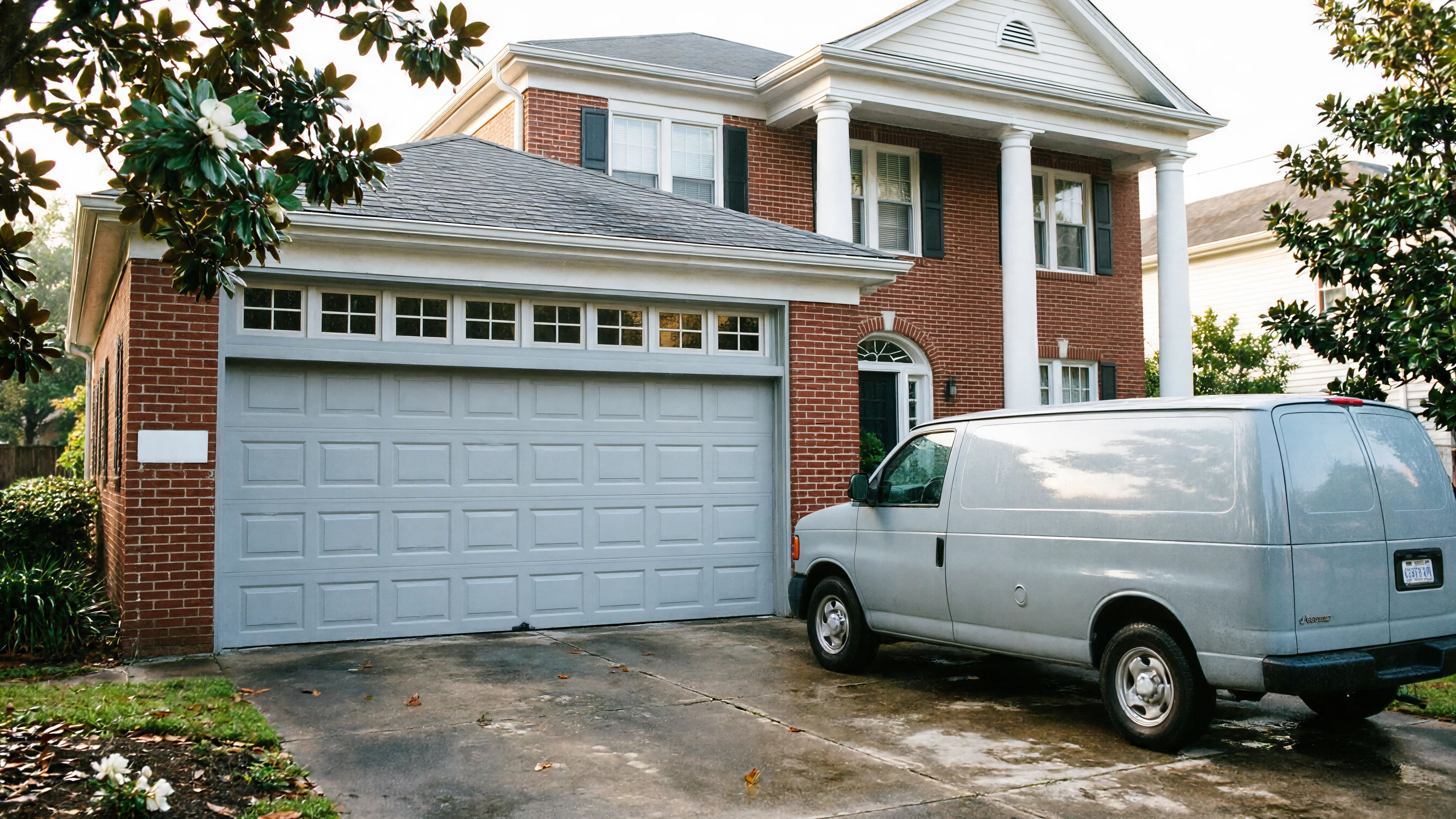
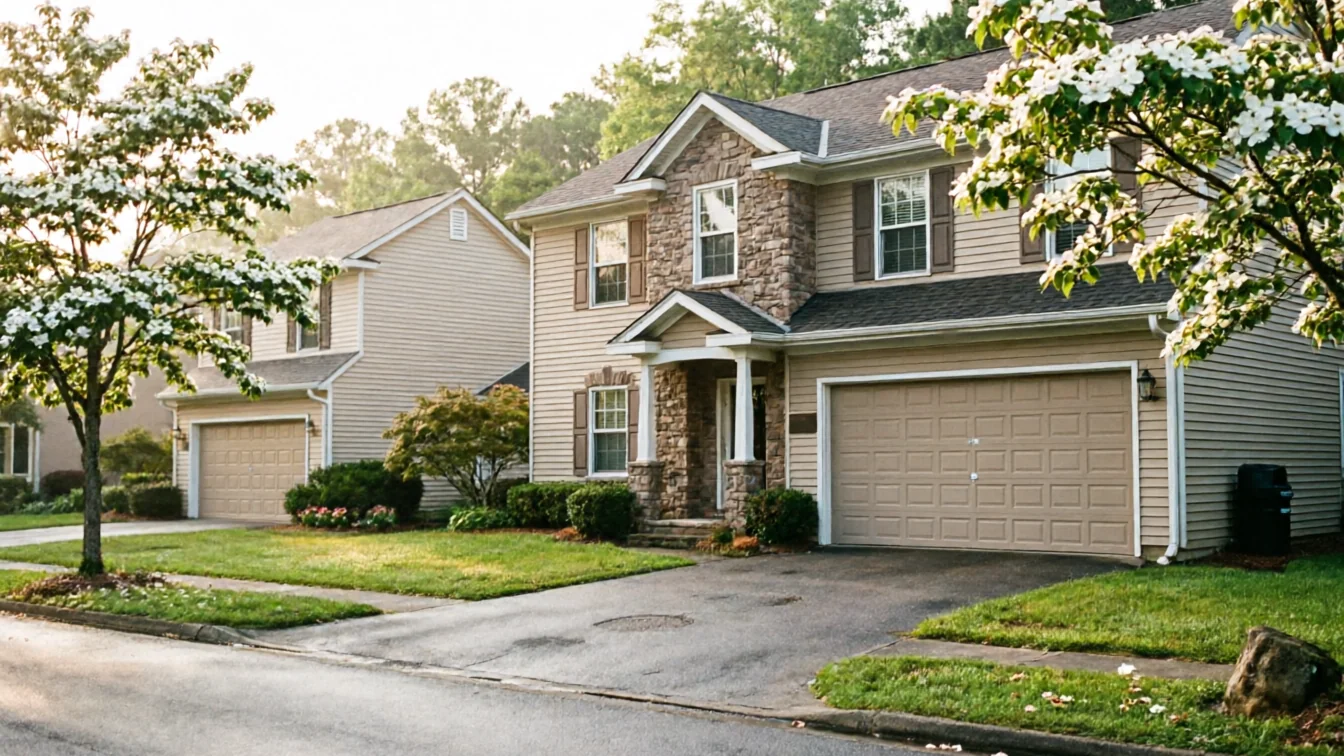
Most of the houses in this service area went up between 1956 and 2008, with the bulk of that stock dating to the 1980s and 1990s. That matters because a door installed in 1991 is carrying original hardware that's now been through three decades of Cape Fear summers. The climate here is mild with only occasional freeze snaps, so you don't get the deep-cold spring snaps that crews up north deal with every January. What you get instead is slow, steady wear from humidity and salt-heavy air sitting on exposed metal year-round. Across the 22 named communities we cover, from Kings Grant to Boiling Spring Lakes, that same build era shows up again and again - same torsion spring gauges, same stamped rollers, same galvanized track that was fine in 1994 and is pitted now. Rust on the track rails and dried-out lubricant on the rollers are the two things we see most, not because anyone did anything wrong, but because that's what 25-40 years of coastal air does to unmaintained steel. A door that gets a yearly look holds up fine in this climate. One that doesn't starts showing it by year 15, not year 30.
Watch-outs
With 32,659 owner-occupied houses across the service area, a lot of those original builder-grade springs and rollers are now 20 to 60 years old, and the trouble starts when a homeowner notices a noise, sprays some household oil on it, and calls it done.
WD-40 isn't a lubricant for torsion springs - it strips what grease is left and attracts grit, which speeds up the wear it was supposed to fix. The other way this goes wrong is tightening the wrong bolt.
Track brackets and spring anchor bolts both back out over time from vibration, and a homeowner who finds a loose bolt and just cranks it down without checking which one it is can pull a bracket out of alignment.
At a median household income of $73,072, most owners here can budget for a yearly tune-up but think twice about a full opener replacement, so maintenance gets put off until something actually breaks - usually a cable or a spring, both of which are under real tension and not something to troubleshoot solo once they've let go.
Warning signs
The first sign is almost always sound - a grinding or popping on the way up that wasn't there six months ago. That's usually a roller losing its bearing or a hinge pin working loose, not the spring itself.
A door that reverses halfway up, or one that needs a shove to get moving, points to spring tension dropping off, which happens gradually in this climate rather than all at once.
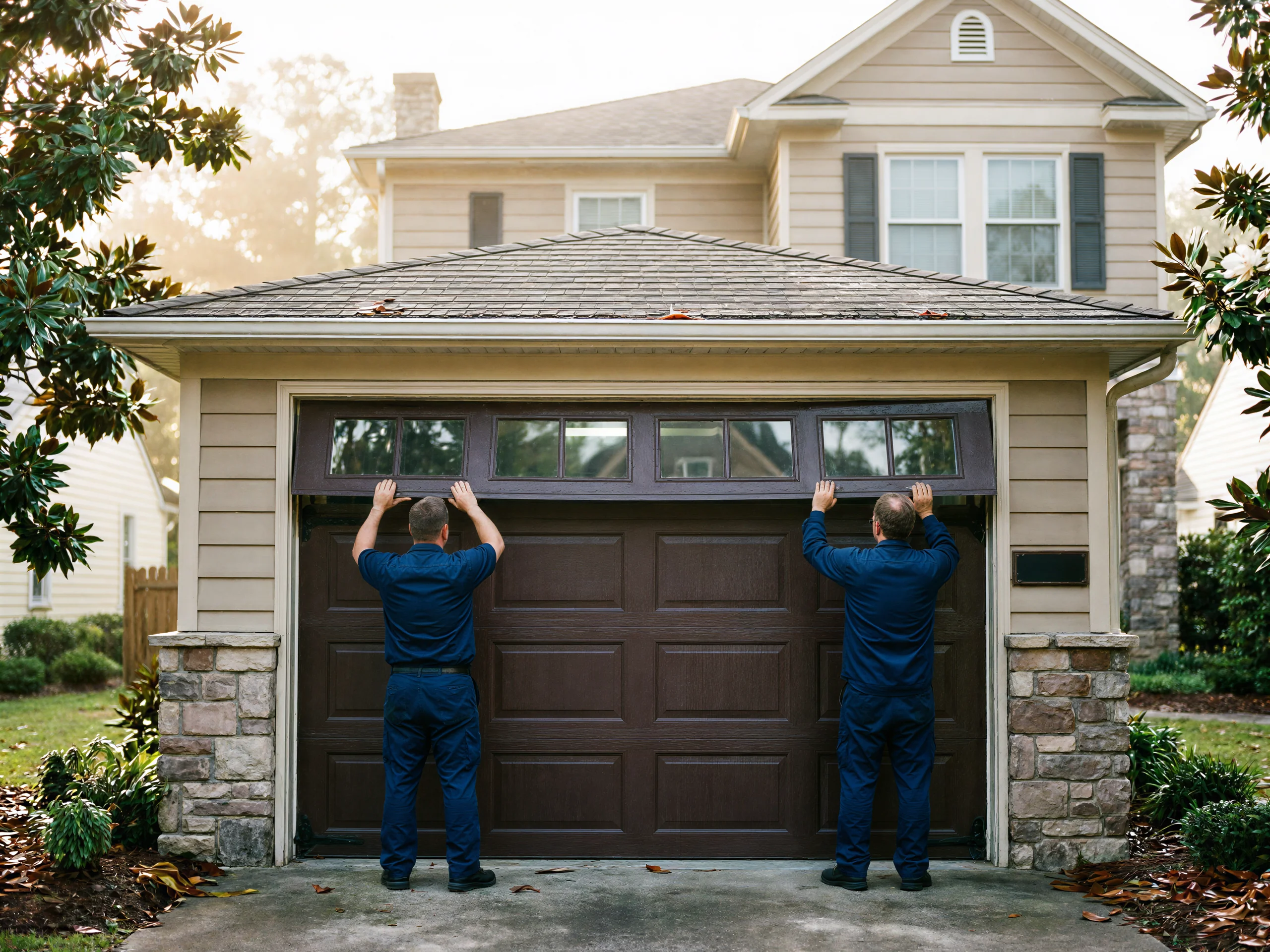
You'll also see uneven movement: one side of the door lagging the other by an inch or two as it travels, which means a cable has stretched or a track bracket has shifted.
Rust streaks on the horizontal track, especially near the bottom rollers, are common on houses built before the 2000s and tell you moisture has been sitting there a while. None of these on their own mean the door is about to fail, but together they're the pattern of a door that's gone two or three years past its last real check.
DIY or pro
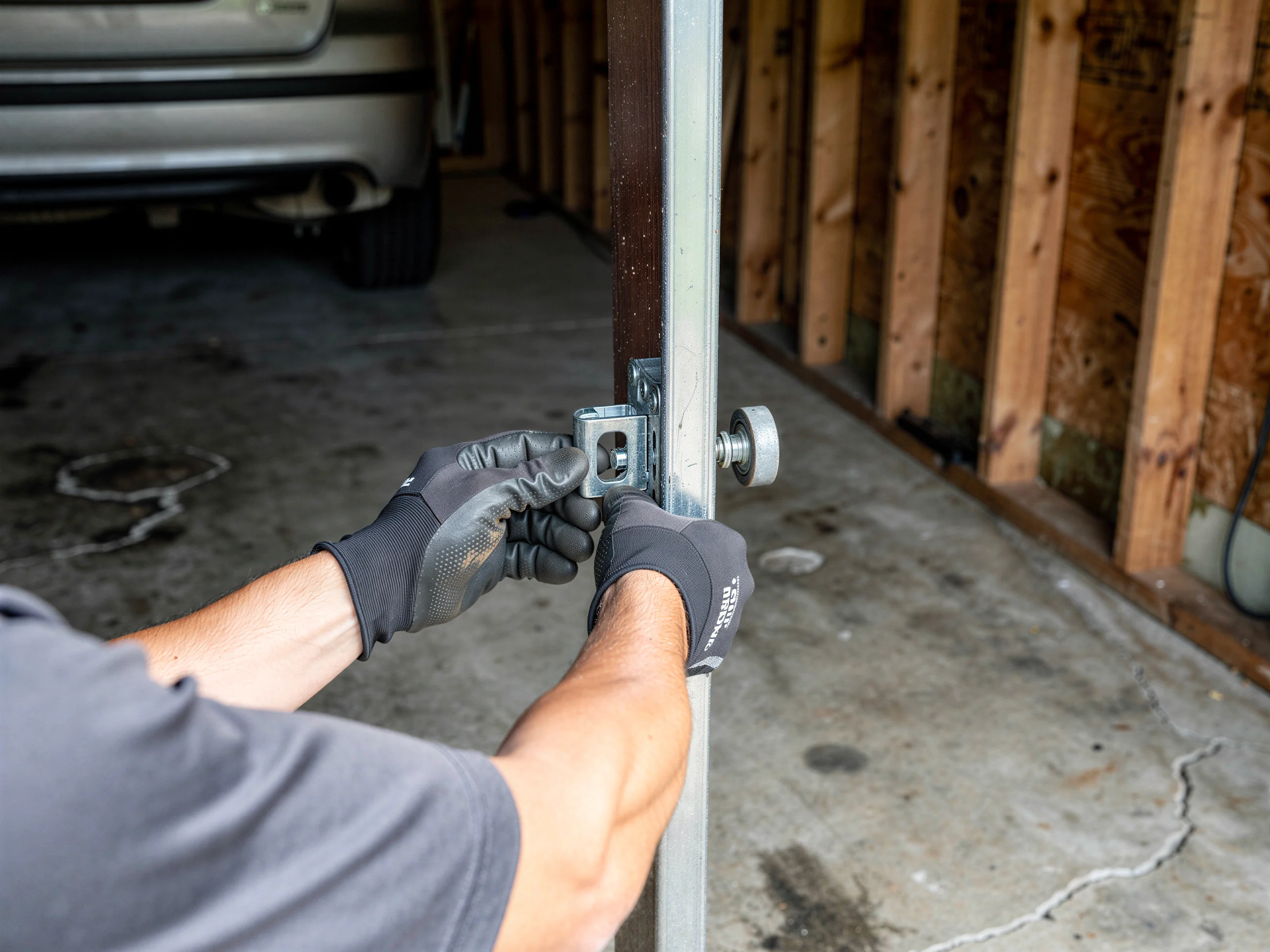
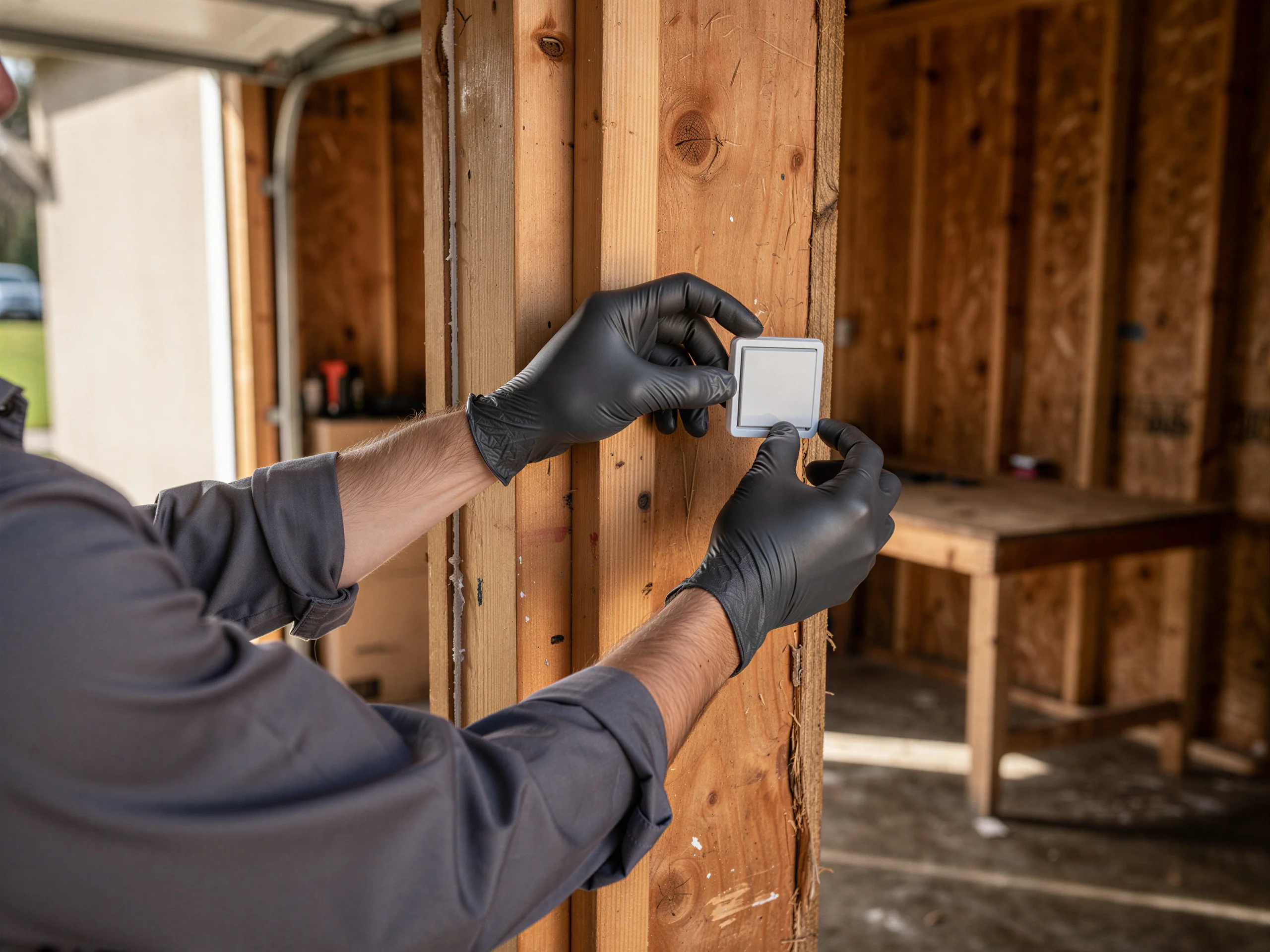
There's real work an owner can do safely. Wipe down and lubricate the rollers and hinges with a silicone-based garage door lubricant twice a year - not WD-40, not motor oil. Check that the photo-eye sensors near the floor are clean and aligned; a smudged lens is a common reason doors refuse to close. Look at the weatherstripping along the bottom for cracking, since the mild-but-humid climate here breaks down rubber faster than drier regions. What you shouldn't touch is the torsion spring system. It's under enough stored tension to cause a serious injury, and that's not a scare line - it's why we don't walk owners through adjusting it over the phone. If a cable looks frayed or a spring looks stretched or gapped, that's a call, not a weekend project.
Questions
Once a year is enough for most doors here, given the mild climate. If your house was built before 2000, twice a year is worth it since the original hardware has more wear to track - rollers, cables, and track alignment especially.
Rust isn't about cold, it's about moisture sitting on metal. Coastal humidity does that year-round even without hard freezes, which is why track rust shows up on houses in this area by their teens even in a mild climate band.
Yes - rollers, hinges, and the top of the track are safe to lubricate with a silicone garage door lubricant. Skip the springs and skip household oils like WD-40, which strip grease rather than replace it.
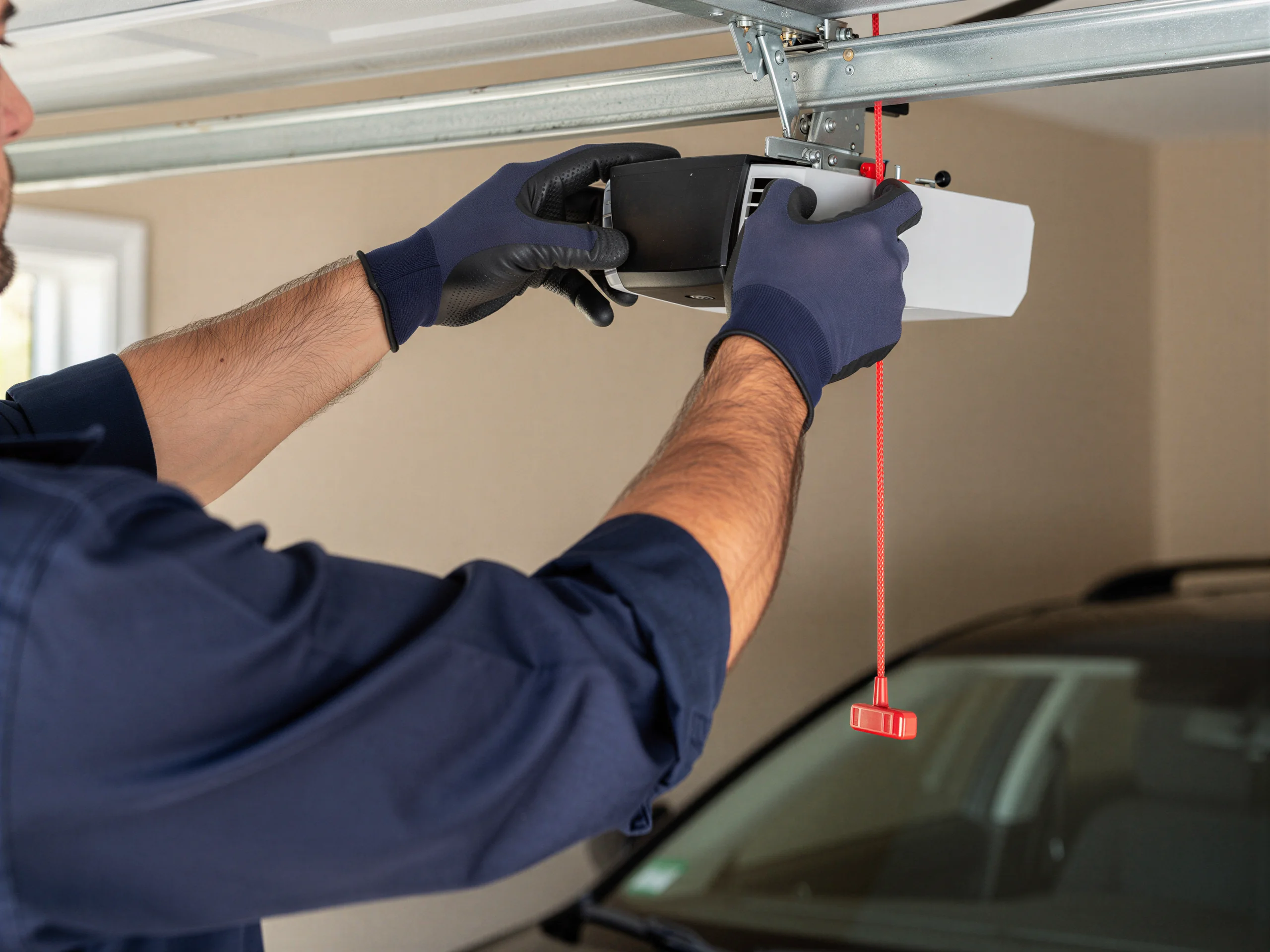
If the panels are solid and the opener still runs, a tune-up usually extends the door's life for a reasonable cost. Replacement makes more sense once you're replacing the same part twice in two years or the opener itself is failing.
Explore more
Ready when you are
Wilmington Garage Door Pros repairs and installs garage doors, springs and openers in Wilmington, NC and the surrounding area.